WHAT TO DO IN NEW DELHI
|
Delhi, the vibrant capital of India, seamlessly blends ancient heritage with modern living. From majestic forts to serene temples and bustling markets, the city offers visitors a rich cultural experience. Major attractions are easily accessible via the Delhi Metro, taxis, and ride-hailing apps like Ola and Uber. For local exploration, you can also use apps like the Delhi Metro Rail app (for navigation and routes) and Zomato (for discovering restaurants and local food).
|
|

|
India Gate Located in the heart of New Delhi, India Gate is a majestic 42-meter-high memorial honouring the soldiers who laid down their lives during World War I and the Afghan Wars. Designed by Sir Edwin Lutyens, this grand sandstone arch has over 13,000 names inscribed on its surface. Beneath it burns the Amar Jawan Jyoti, the eternal flame dedicated to the unknown soldier. Surrounded by expansive lawns, it is a popular gathering place for both visitors and locals. By evening, when the monument is beautifully illuminated, it becomes one of the most striking sights in the city. |
|

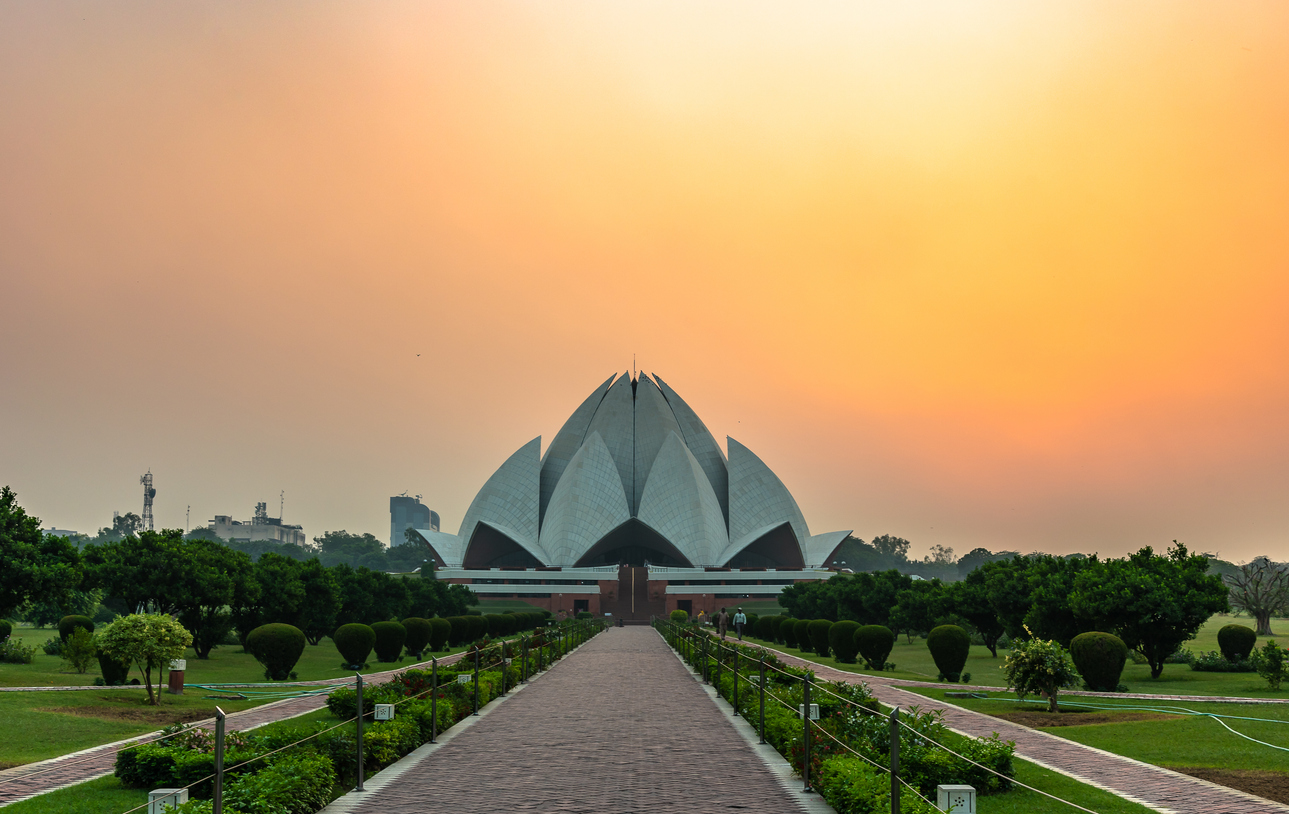
Lotus Temple
Shaped like a blooming lotus, this architectural marvel is Delhi’s modern symbol of peace and harmony. Open to people of all faiths, it offers a serene space for reflection and meditation amidst beautiful gardens and tranquil pools. Built in 1986, its striking white marble petals and unique design have made it one of the most visited sites in the world. The temple can accommodate over a thousand people at a time, yet remains calm and quiet inside. For visitors, it is not just an architectural wonder but also a spiritual experience of unity and tranquillity.
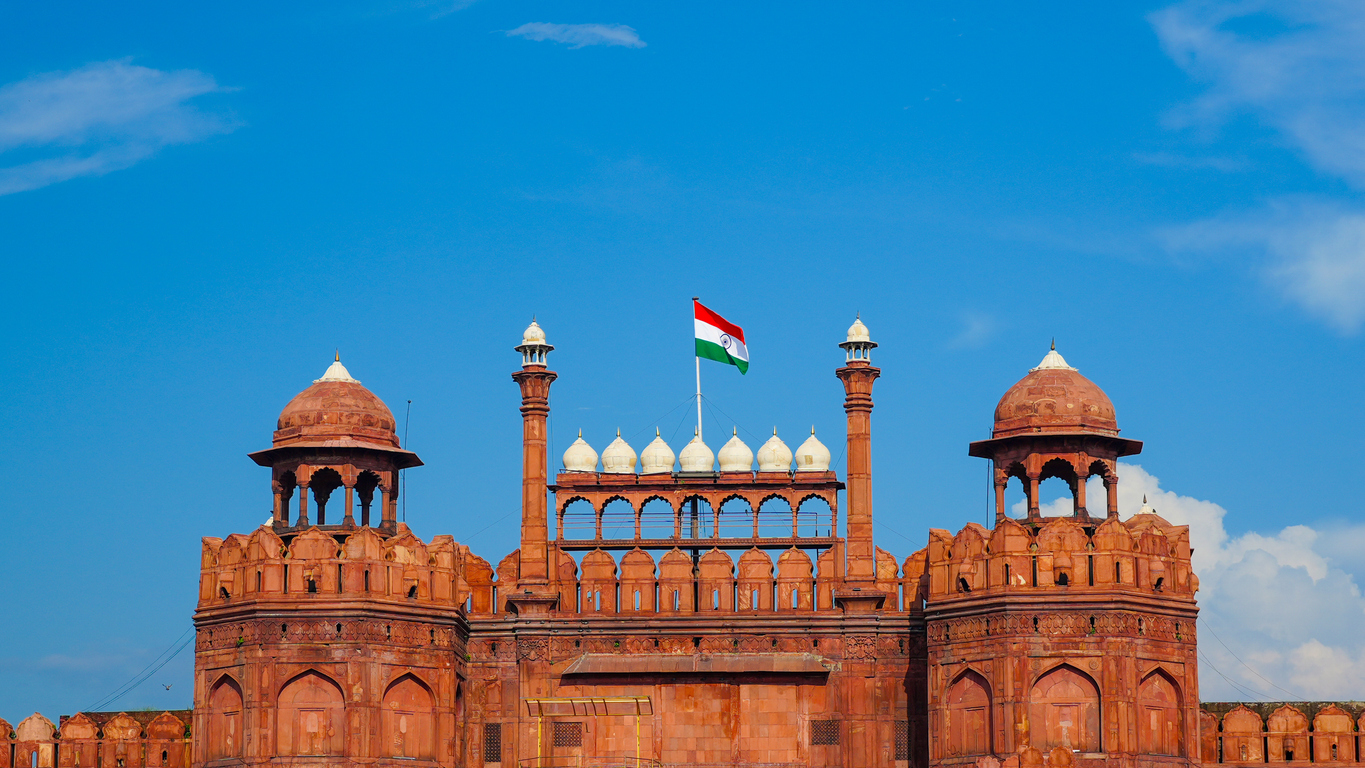
Red Fort
A UNESCO World Heritage Site and Delhi’s crown jewel, the Red Fort was built in the 17th century by Mughal Emperor Shah Jahan. Its towering red sandstone walls, elegant palaces, and gardens showcase the grandeur of Mughal architecture. Today, it stands not only as a symbol of India’s rich past but also of its independence, where the national flag is proudly hoisted every year.
Rikab Gunj Gurudwara
Gurudwara Rikab Ganj Sahib is a historically significant site in Delhi, marking the place where the headless body of the ninth Sikh Guru, Guru Tegh Bahadur, was cremated in 1675. Following his public martyrdom at Chandni Chowk, a severe dust storm allowed two heroic disciples to act. A devout Sikh, Lakhi Shah Vanjara, retrieved the Guru's body and secretly cremated it by setting his own house on fire. Simultaneously, another disciple, Bhai Jaita, rescued the Guru's severed head and undertook a perilous journey to present it to his son, Guru Gobind Rai (later Singh), in Anandpur Sahib. These historically accurate acts of bravery are central to Sikh history. This monument is of great importance to Delhi’s cultural History.
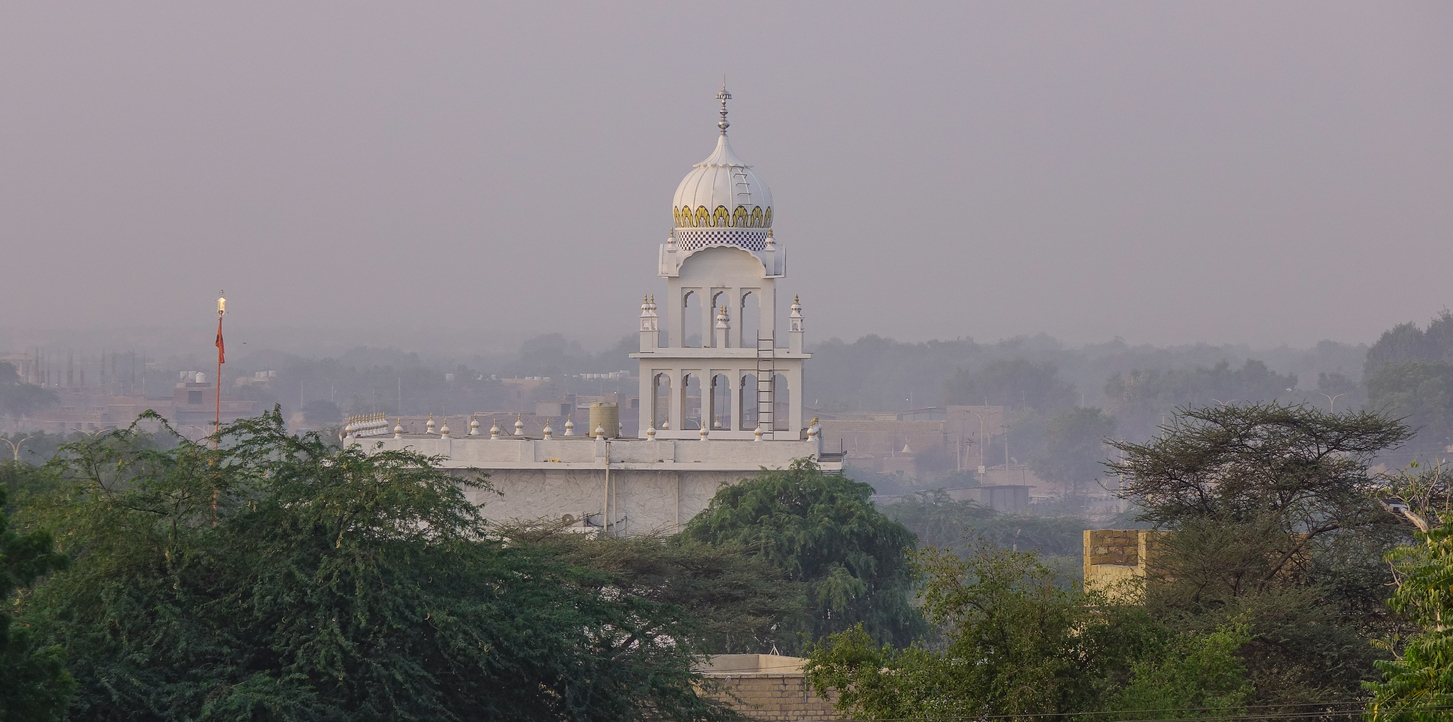

Bangla Sahib Gurudwara
Gurudwara Bangla Sahib is one of Delhi's most prominent Sikh shrines, historically associated with the eighth Sikh Guru, Guru Har Krishan. In 1664, the young Guru resided here in the bungalow (bangla) of Raja Jai Singh when a severe smallpox and cholera epidemic broke out in Delhi. Guru Har Krishan selflessly tended to the afflicted, providing aid and fresh water from the bungalow's well. He ultimately contracted the illness and passed away. The Gurudwara is built on this site, and its large holy tank, the "Sarovar," is revered by devotees who believe its water has healing properties drawn from that original well.
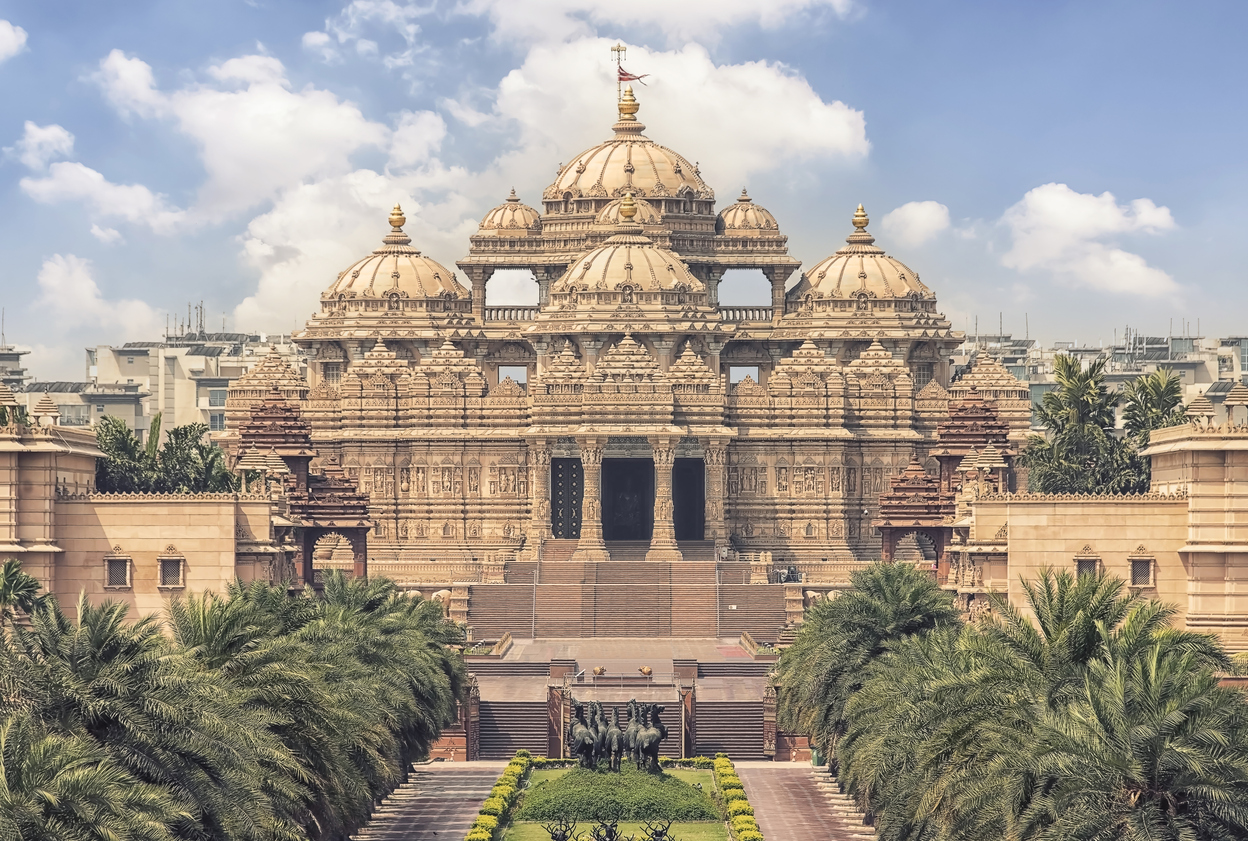
Akshardham Temple
Swaminarayan Akshardham is a modern Hindu spiritual and cultural campus, formally opened in 2005. Inspired by Pramukh Swami Maharaj, it is dedicated to Bhagwan Swaminarayan and showcases millennia of traditional Indian and Hindu culture. The centrepiece is the Akshardham Mandir, an architectural marvel built entirely from intricately carved sandstone and marble, adhering to ancient principles without using structural steel. The vast complex also features thematic exhibitions, the 'Sanskruti Vihar' boat ride depicting 10,000 years of Indian heritage, and the Yagnapurush Kund, a spectacular musical fountain and water show. It truly is a visual spectacle to behold, and a wonderful way to explore ancient Indian Hindu culture.
Agrasen Ki Baoli
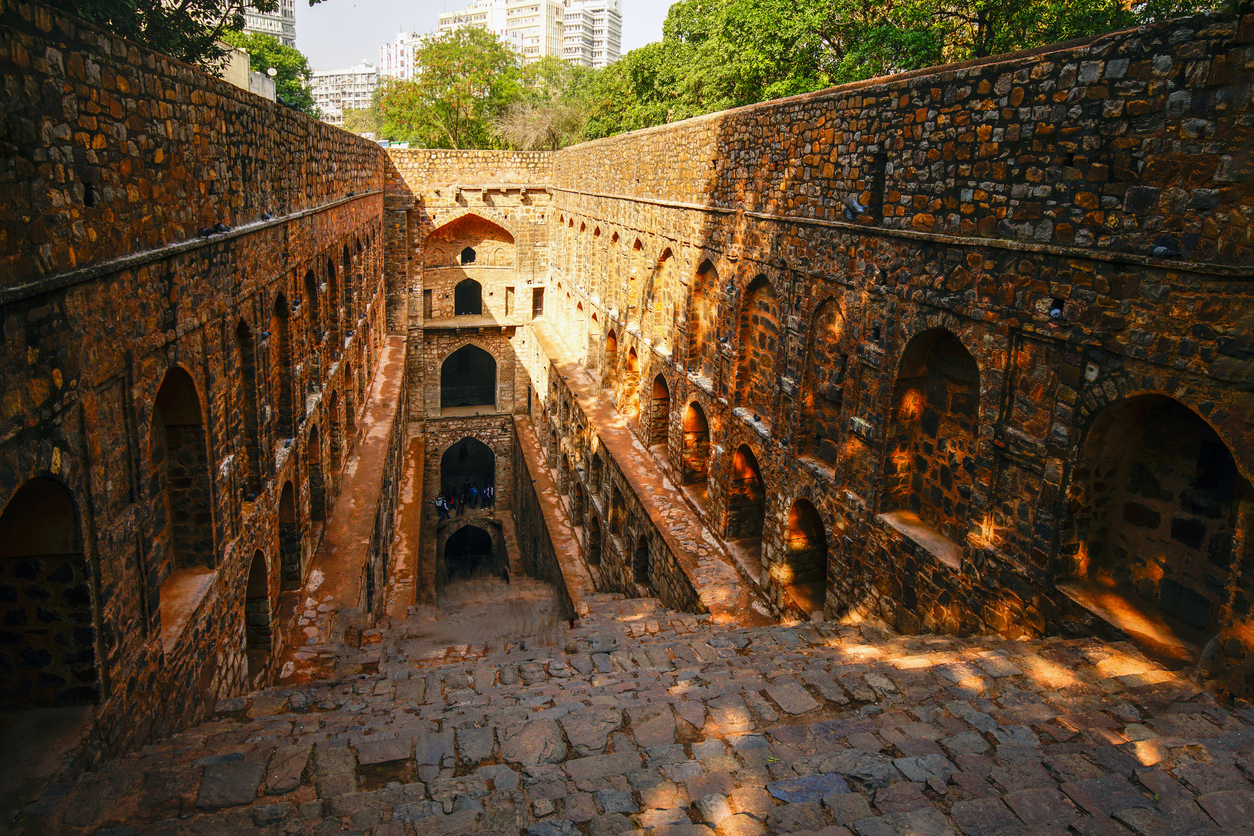
Agrasen ki Baoli is an ancient stepwell hidden in the heart of modern Delhi. A protected monument, its deep, rectangular structure is an impressive example of medieval engineering. It features 108 steps descending through three distinct levels, which are lined with arched niches. While there are no records to confirm its exact origin, it is traditionally believed to have been built by the legendary King Agrasen. The stepwell's architectural style, however, suggests it was rebuilt during the 14th-century Tughlaq or Lodi dynasty period, serving as a vital water reservoir and a cool community space.
National Zoological Park
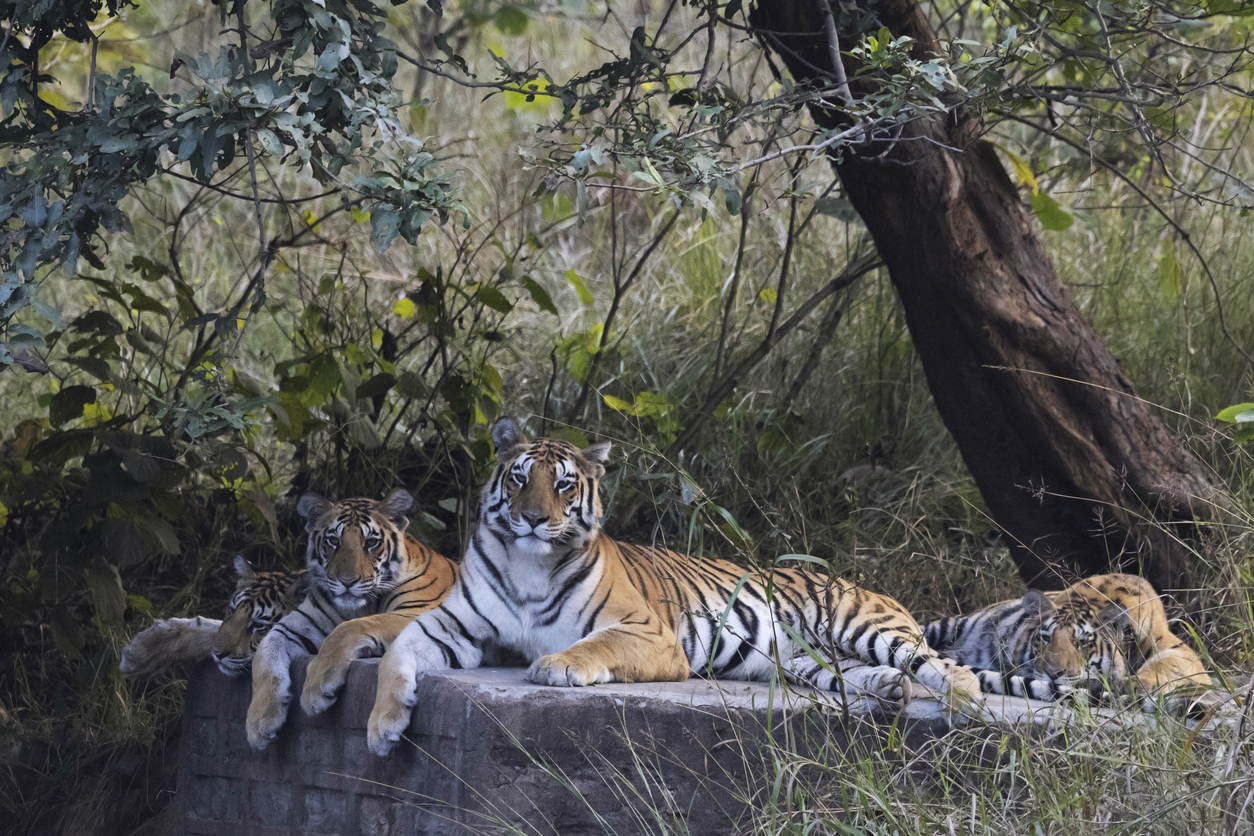
The National Zoological Park, inaugurated in 1959, is a vast 176-acre sanctuary located in the heart of Delhi, nestled between the historic Purana Qila (Old Fort) and Humayun's Tomb. Designed by Carl Hagenbeck, it pioneered the use of open, moated enclosures to house animals in environments resembling their natural habitats. The park serves as a vital centre for wildlife conservation, education, and breeding programs for endangered species, including the Royal Bengal tiger, Asiatic lion, and Indian rhinoceros. It offers visitors a sprawling green space to appreciate a diverse collection of animals and birds.